eight limbs of yoga pdf
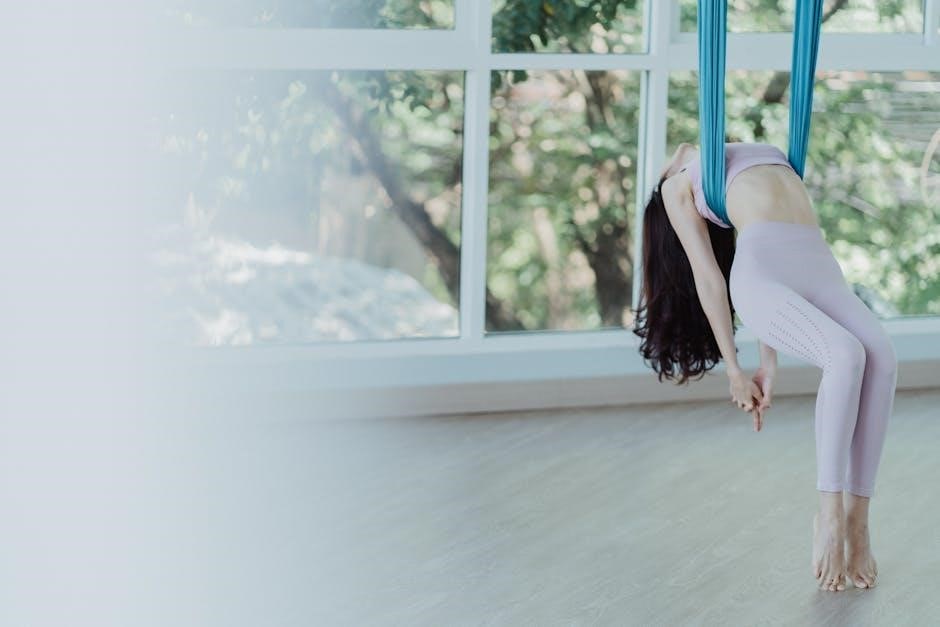
Patanjali’s Yoga Sutras detail an eightfold path – Ashtanga – for liberation, offering a comprehensive guide to living a meaningful and purposeful existence.
These eight limbs, interconnected and progressive, represent a holistic system encompassing ethical guidelines, physical postures, and meditative practices.
Understanding this framework, often found in a yoga pdf, provides a roadmap for self-discovery and spiritual growth, leading to inner peace.
Historical Context: Patanjali’s Yoga Sutras
Patanjali, considered the father of yoga, systematized existing yogic philosophies around 200 A.D. with his Yoga Sutras, a foundational text for understanding the eight limbs.
Before Patanjali, yogic traditions were largely oral, passed down through generations of teachers and disciples. The Sutras provided a written framework, organizing yoga into a practical and philosophical system.
The Yoga Sutras define yoga as the cessation of mental fluctuations (yoga chitta vritti nirodha), and the eight limbs serve as a step-by-step guide to achieve this state. Many modern resources, including a yoga pdf, trace their lineage back to these ancient teachings.
Patanjali’s work wasn’t necessarily the beginning of yoga, but rather a crucial codification, making it accessible and providing a structured path for practitioners.
The Ashtanga Yoga System
Ashtanga, meaning “eight limbs” (ashta – eight, anga – limb), represents a sequential pathway to self-realization as outlined in Patanjali’s Yoga Sutras. It’s not merely a physical practice, but a holistic system integrating ethics, postures, breathwork, and meditation.
These limbs aren’t isolated components, but interconnected aspects of a unified practice. Progressing through each limb builds upon the previous one, creating a strong foundation for deeper exploration.
A comprehensive yoga pdf will typically detail each of the eight limbs, explaining their purpose and practical application. Understanding this system allows practitioners to move beyond asana and embrace the full scope of yoga’s transformative potential.
The system offers a structured approach to cultivating a balanced and harmonious life, both on and off the mat.

The First Two Limbs: Ethical Foundations
Yama and Niyama form the ethical base of Ashtanga, detailed in many a yoga pdf, guiding conduct and personal discipline for inner growth.
Yama: Ethical Restraints
Yama, the first limb, outlines ethical disciplines for interacting with the external world, often thoroughly explained within an eight limbs of yoga pdf resource.
These restraints – Ahimsa (non-violence), Satya (truthfulness), Asteya (non-stealing), Brahmacharya (continence), and Aparigraha (non-attachment) – cultivate harmonious relationships.
Ahimsa extends beyond physical harm, encompassing kindness in thought, word, and deed.
Satya encourages honest communication, while Asteya promotes respect for others’ possessions.
Brahmacharya isn’t merely celibacy, but mindful energy management, and Aparigraha fosters detachment from material possessions, reducing suffering.
Mastering Yama builds a strong moral compass.
Ahimsa (Non-Violence)
Ahimsa, the cornerstone of Yama, transcends simply avoiding physical harm; it’s a profound commitment to non-violence in thought, word, and action, detailed in many an eight limbs of yoga pdf.
This principle encourages compassion and kindness towards all beings, recognizing the interconnectedness of life.
Practicing Ahimsa involves mindful consumption, choosing peaceful communication, and cultivating empathy.
It challenges us to examine our own biases and reactions, striving to respond with understanding rather than aggression.
Extending Ahimsa to oneself is crucial – self-compassion is integral to this practice.
Ultimately, Ahimsa fosters inner peace and contributes to a more harmonious world.
Satya (Truthfulness)
Satya, the second limb of Yama, emphasizes honesty and authenticity in all aspects of life, a concept thoroughly explored in resources like an eight limbs of yoga pdf.
It’s not merely about avoiding lies, but about aligning our thoughts, words, and actions with our inner truth.
Practicing Satya requires courage, as it may involve speaking difficult truths, but it builds trust and integrity.
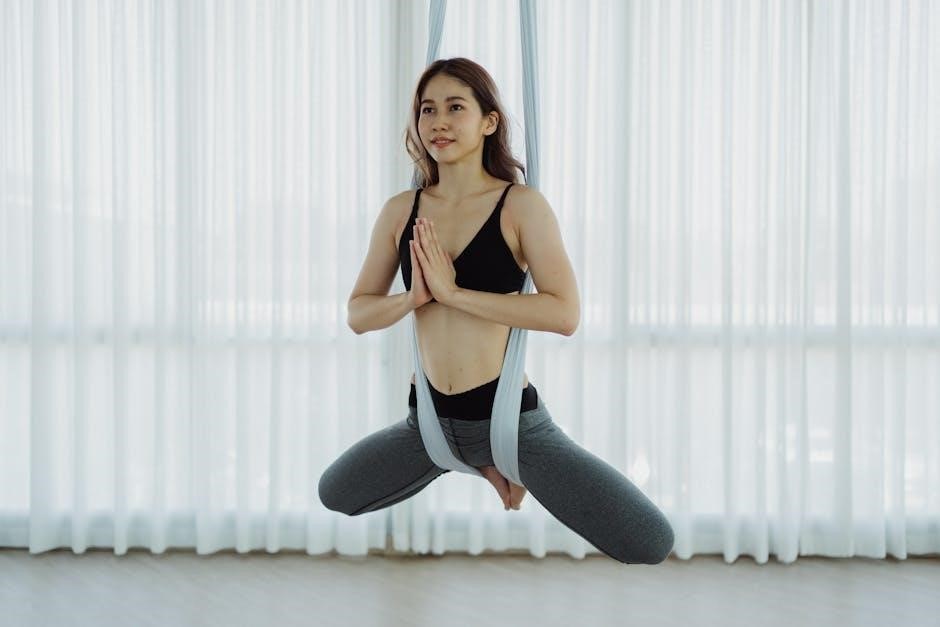
However, Satya must be tempered with Ahimsa – truth spoken with malice or disregard for others’ feelings is not true Satya.
Cultivating self-awareness is key to recognizing and expressing our genuine selves.
Living in truth fosters clarity, strengthens relationships, and promotes inner peace.
Asteya (Non-Stealing)
Asteya, the third Yama, extends beyond simply not taking what isn’t ours; it encompasses respecting the possessions and time of others, a principle detailed in many an eight limbs of yoga pdf.
This includes avoiding envy and coveting, recognizing that abundance is available to all.
Asteya encourages us to earn our livelihood honestly and to use resources responsibly.
It’s about recognizing the inherent worth of everything and everyone, and refraining from exploiting or taking advantage.
Practicing Asteya cultivates contentment and reduces feelings of lack.
By honoring the boundaries of others, we foster trust and create a more harmonious world.
Brahmacharya (Continence)
Brahmacharya, often translated as continence, is more accurately understood as the wise use of energy, a concept thoroughly explored in resources like an eight limbs of yoga pdf.

It doesn’t necessarily mean celibacy, but rather directing vital life force towards spiritual growth and self-realization.
This Yama encourages moderation in all activities, avoiding excess and dissipation of energy.
Brahmacharya promotes mindful engagement with sensory pleasures, preventing them from becoming controlling forces.
By conserving energy, we cultivate inner strength and clarity.
It’s about channeling our passions constructively, fostering creativity and deepening our connection to the divine.
Aparigraha (Non-Attachment)
Aparigraha, the final Yama, signifies non-attachment – letting go of grasping, hoarding, and possessiveness, a principle detailed in many an eight limbs of yoga pdf.
It’s about recognizing the impermanent nature of all things and releasing the need to control outcomes.
This doesn’t mean renouncing possessions entirely, but rather using them responsibly and without clinging.
Aparigraha fosters contentment and reduces suffering caused by fear of loss.
By detaching from material possessions and outcomes, we open ourselves to greater freedom and joy.
It encourages simplicity, generosity, and a mindful approach to consumption, cultivating inner peace.
Niyama: Observances
Niyama, the second limb of yoga, detailed extensively in resources like an eight limbs of yoga pdf, focuses on personal disciplines and observances that cultivate inner purity.
These are positive duties performed by oneself, fostering a harmonious relationship with the self.
Niyama comprises five elements: Saucha (purity), Santosha (contentment), Tapas (self-discipline), Svadhyaya (self-study), and Ishvara Pranidhana (surrender).
Practicing Niyama refines character, strengthens willpower, and promotes a sense of well-being.
It’s about cultivating positive habits and attitudes that support spiritual growth and inner transformation.
These observances are essential for creating a solid foundation for deeper yogic practices.
Saucha (Purity)
Saucha, the first of the Niyamas, and often detailed in an eight limbs of yoga pdf, translates to purity – encompassing both physical and mental cleanliness.
It involves maintaining hygiene, a clean environment, and cultivating pure thoughts and intentions.
Physical purity includes practices like regular bathing, clean clothing, and mindful eating.
Mental purity involves cultivating positive thoughts, letting go of negativity, and practicing mindfulness.

Saucha isn’t merely about external cleanliness; it’s about creating a clear and receptive inner state.
This purity allows for the unobstructed flow of energy and facilitates deeper spiritual experiences.
Santosha (Contentment)
Santosha, the second Niyama, frequently explored in an eight limbs of yoga pdf, signifies contentment, satisfaction, and acceptance with what is.
It’s about finding joy in the present moment, regardless of external circumstances.
Santosha doesn’t mean passivity or a lack of ambition; rather, it’s about appreciating what you have while still striving for growth.
Cultivating Santosha involves shifting your focus from what’s lacking to what’s abundant.
Practicing gratitude, mindfulness, and self-compassion are key to fostering this inner peace.
By embracing contentment, we reduce suffering and cultivate a sense of lasting happiness.
Tapas (Self-Discipline)
Tapas, the third Niyama, detailed in many an eight limbs of yoga pdf, translates to “heat” or “austerity,” representing self-discipline and passionate effort.
It’s the willingness to endure discomfort and challenges in pursuit of personal growth.
Tapas isn’t about self-punishment, but rather about cultivating inner strength and commitment.
This practice involves setting intentions, establishing routines, and consistently working towards your goals, even when it’s difficult.
Tapas can manifest as a dedicated meditation practice, a healthy diet, or overcoming limiting beliefs.
Through disciplined effort, we purify the mind and body, unlocking our full potential.
Svadhyaya (Self-Study)
Svadhyaya, the fourth Niyama, frequently explored in resources like an eight limbs of yoga pdf, signifies self-observation, introspection, and the study of sacred texts.
It’s a journey of self-discovery, involving honest examination of one’s thoughts, feelings, and actions.
This practice extends beyond mere self-reflection; it includes learning from wise teachers and delving into philosophical teachings.
By understanding our patterns and conditioning, we can identify areas for growth and transformation.
Svadhyaya encourages us to question our beliefs, challenge our limitations, and cultivate self-awareness.
Ultimately, it leads to a deeper understanding of our true nature and purpose.
Ishvara Pranidhana (Surrender to a Higher Power)
Ishvara Pranidhana, the fifth Niyama, detailed in many an eight limbs of yoga pdf, represents surrender to a force greater than oneself – a universal consciousness, divine energy, or higher power.
This isn’t about blind faith, but rather a recognition of the interconnectedness of all things and letting go of egoic control.
It involves offering the fruits of our actions without attachment to outcomes.
Through surrender, we cultivate humility, trust, and acceptance.
Ishvara Pranidhana allows us to tap into a source of wisdom and guidance beyond our limited understanding.
It fosters a sense of peace and allows us to navigate life’s challenges with grace.

The Physical Practices
Asana and Pratyahara, detailed in an eight limbs of yoga pdf, form the physical core, preparing the body and senses for deeper internal work.
These practices cultivate strength, flexibility, and mindful awareness.
Asana: Yoga Postures
Asana, often explored in an eight limbs of yoga pdf, represents the physical postures practiced in yoga, but it’s far more than just exercise.
These postures are designed to cleanse the body, increase vitality, and prepare it for deeper meditative states.
Proper alignment is crucial, not merely for aesthetics, but to prevent injury and maximize the benefits of each pose.
A well-aligned asana allows for the free flow of energy, or prana, throughout the body.
The physical health benefits are numerous, including improved strength, flexibility, balance, and cardiovascular health.
However, the ultimate goal of asana isn’t physical perfection, but rather cultivating a state of steadiness and ease.
Importance of Proper Alignment
As detailed in many an eight limbs of yoga pdf, proper alignment in asanas isn’t about achieving a ‘perfect’ pose, but about safety and maximizing benefits.
Correct alignment protects joints, prevents strain, and allows prana (life force) to flow freely through the body’s energy channels.
Misalignment can lead to injury, hindering progress and creating imbalances.
Understanding skeletal structure and engaging appropriate muscles are key.
Modifications using props – blocks, straps, blankets – are encouraged to support proper form, especially for beginners.
Focus on foundational stability and mindful adjustments, rather than forcing the body into a shape.
Asana and Physical Health Benefits
As explored in resources like an eight limbs of yoga pdf, the asanas (postures) offer a wealth of physical health benefits extending far beyond flexibility.
Regular practice strengthens muscles, improves balance, and increases circulation.
Specific poses can alleviate back pain, reduce stress, and enhance respiratory function.
Yoga can positively impact cardiovascular health, lowering blood pressure and improving heart rate variability.
It also stimulates the digestive system and boosts the immune system.
The mindful movement inherent in asanas cultivates body awareness and promotes a healthier relationship with one’s physical form.
Pratyahara: Withdrawal of the Senses
As detailed in many an eight limbs of yoga pdf, Pratyahara represents the fifth limb, a crucial step inward.
It’s the practice of consciously withdrawing the senses from external distractions – sights, sounds, smells, tastes, and touch.
This isn’t about suppression, but rather redirecting attention from outward stimulation to inner awareness.
By lessening reliance on sensory input, we create space for deeper self-observation and introspection.
Pratyahara cultivates a sense of inner calm and reduces reactivity to external stimuli.
It prepares the mind for the more advanced practices of concentration, meditation, and ultimately, Samadhi.
Turning Inward
As explained in resources like an eight limbs of yoga pdf, “turning inward” is the essence of Pratyahara.
It signifies a shift in focus from the external world to the internal landscape of thoughts, feelings, and sensations.
This isn’t about escaping reality, but about cultivating a deeper connection with one’s inner self.
Through practices like mindful breathing or gentle body scans, we learn to observe our internal experiences without judgment.
This inward journey fosters self-awareness and allows us to understand our patterns and tendencies.
Ultimately, turning inward is a pathway to self-discovery and inner peace.
Reducing External Distractions
Many eight limbs of yoga pdf guides emphasize that Pratyahara isn’t simply about ignoring the outside world, but skillfully managing our responses to it.
External distractions – noises, sights, thoughts – constantly pull our attention outward.
Pratyahara teaches us to become less reactive to these stimuli, creating space between ourselves and our environment.
This is achieved through practices that cultivate inner stillness and focus.
By lessening our dependence on external validation and sensory input, we gain greater control over our minds.
This allows for deeper concentration and a more profound meditative experience.

Internal Practices: Refining the Mind
Ashtanga’s internal limbs – Pranayama, Dharana, Dhyana, and Samadhi – refine mental focus, as detailed in many an eight limbs of yoga pdf.
These practices cultivate mindfulness and lead to profound self-awareness.
Pranayama: Breath Control
Pranayama, the fourth limb of Ashtanga, involves consciously regulating breath to influence the flow of prana, or life force, within the body. Many eight limbs of yoga pdf resources detail various techniques.
Common types include Ujjayi (ocean breath), Kapalabhati (skull shining breath), and Nadi Shodhana (alternate nostril breathing), each offering unique benefits.
Pranayama calms the nervous system, increases vitality, and prepares the mind for deeper meditative states. Consistent practice enhances lung capacity, improves focus, and promotes emotional balance, as outlined in comprehensive guides.
It’s a powerful tool for self-regulation and inner peace.
Types of Pranayama Techniques
Numerous Pranayama techniques exist, each with distinct effects, often detailed within an eight limbs of yoga pdf guide. Ujjayi breath, creating a soft oceanic sound, generates internal heat and calms the mind.
Kapalabhati, a forceful exhalation practice, energizes and detoxifies. Nadi Shodhana, alternate nostril breathing, balances the nervous system and harmonizes energy channels.
Bhastrika, bellows breath, is invigorating, while Sheetali, cooling breath, lowers body temperature. These techniques, when practiced correctly, enhance prana flow, improve respiratory function, and prepare the mind for meditation.
Beginners should start slowly.
Benefits of Pranayama
Pranayama, as often outlined in an eight limbs of yoga pdf, offers profound benefits beyond simply controlling breath. It significantly reduces stress and anxiety by regulating the nervous system, promoting a sense of calm and well-being.
Regular practice enhances lung capacity and improves respiratory function, increasing oxygen intake and vitality. Pranayama also clarifies the mind, improving focus and concentration, preparing it for deeper meditative states.
Furthermore, it balances energy levels, detoxifies the body, and fosters a deeper connection between mind, body, and spirit, contributing to overall health and self-awareness.
Dharana: Concentration
Dharana, the sixth limb detailed in many an eight limbs of yoga pdf, is the practice of focused attention. It involves training the mind to concentrate on a single point, whether it be an object, a mantra, or the breath itself.
This isn’t simply about trying to focus; it’s about gently redirecting the mind each time it wanders, building mental stamina and discipline. Dharana cultivates a stillness that prepares the mind for the deeper states of meditation.
Consistent practice strengthens the ability to resist distractions and enhances cognitive function, leading to improved clarity and presence in daily life.
Developing Focus
As outlined in resources like an eight limbs of yoga pdf, Dharana’s core is developing unwavering focus. This isn’t an innate ability, but a skill honed through consistent practice. Begin by choosing a focal point – a candle flame, a mantra, or even your breath – and gently return your attention to it whenever it drifts.
Expect the mind to wander; this is natural. The key is non-judgmental redirection; Each return strengthens the neural pathways associated with concentration, gradually increasing your capacity for sustained attention.
This practice extends beyond the mat, improving concentration in all aspects of life.
Single-Pointed Concentration
Building upon Dharana, as detailed in many an eight limbs of yoga pdf, single-pointed concentration represents a deepening of focus. It’s the ability to maintain attention on a chosen object without distraction, a state where the mind becomes still and unwavering.
This isn’t merely trying to focus, but a natural consequence of consistent practice. The mind, through repeated redirection, learns to settle. External and internal stimuli lose their power to pull attention away.
Achieving this state unlocks deeper levels of awareness and prepares the mind for the stillness of meditation.
Dhyana: Meditation
Dhyana, or meditation, as explored in resources like an eight limbs of yoga pdf, arises naturally from sustained Dharana (concentration). It’s not forced, but a state of effortless awareness where the mind flows continuously towards the object of focus.
This is often described as a “state of flow,” where the observer, the observed, and the act of observing become one. Thoughts may arise, but they don’t disrupt the meditative state; they are simply acknowledged and allowed to pass.
Cultivating mindfulness through Dhyana fosters inner peace and a deeper understanding of self.
Cultivating Mindfulness
Cultivating mindfulness, a core component of Dhyana (meditation) detailed in an eight limbs of yoga pdf, involves paying attention to the present moment without judgment. It’s about observing thoughts, feelings, and sensations as they arise, without getting carried away by them.
This practice isn’t about emptying the mind, but rather about becoming aware of its contents. Through consistent practice, mindfulness extends beyond meditation, influencing daily life and fostering a greater sense of presence.
It allows for a more compassionate and accepting relationship with oneself and the world around us.
The State of Flow
The State of Flow, deeply connected to Dhyana (meditation) as explained in an eight limbs of yoga pdf, represents a state of complete absorption in an activity. It’s characterized by a feeling of energized focus, full involvement, and enjoyment in the process.
During flow, self-consciousness dissolves, and time seems to slip away. This immersive experience arises when the challenge at hand perfectly matches one’s skill level, creating a sense of effortless action.
Yoga practice, particularly meditation, cultivates the conditions for flow to emerge, fostering a sense of inner peace and fulfillment.
Samadhi: Blissful Union
Samadhi, the eighth and final limb of yoga, detailed in resources like an eight limbs of yoga pdf, signifies a state of blissful union with the universe. It’s the ultimate goal of the yogic path, representing complete absorption and transcendence of the ego.
Experiencing Samadhi involves a profound sense of oneness, where the distinction between the self and the external world dissolves. It’s a state of pure consciousness, free from suffering and limitations.
Achieving Samadhi requires dedicated practice of the preceding limbs, cultivating ethical conduct, physical discipline, and mental clarity.
The Ultimate Goal of Yoga
As outlined in resources like an eight limbs of yoga pdf, the ultimate goal of yoga isn’t merely physical flexibility, but the attainment of Samadhi – a state of blissful union. This represents liberation, or kaivalya, from suffering and the cycle of rebirth.
Through consistent practice of the eight limbs, practitioners aim to quiet the fluctuations of the mind, allowing their true nature – pure consciousness – to shine through. This journey involves self-realization and understanding one’s connection to the universe.
Yoga, therefore, is a path to profound transformation, leading to lasting peace and fulfillment.
Experiencing Oneness
As detailed in many an eight limbs of yoga pdf, Samadhi isn’t simply a feeling, but a direct experience of interconnectedness – a realization of oneness with all beings and the universe. This transcends the individual ego and its limitations.
Through dedicated practice of the Ashtanga system, the boundaries between self and other dissolve, revealing a fundamental unity. This profound shift in perception fosters compassion, empathy, and a deep sense of belonging.
Experiencing this oneness is the culmination of the yogic path, offering liberation from suffering and a state of lasting peace.

Resources for Further Study
Numerous books and online resources, including comprehensive eight limbs of yoga pdf guides, offer deeper exploration of Patanjali’s teachings and practical application.
Recommended Books on the Eight Limbs
Exploring the foundational text, “Yoga Sutras of Patanjali,” translated by various scholars like Edwin F. Bryant, provides direct access to the source material. For a more accessible approach, “Light on Yoga” by B.K.S. Iyengar details Asana and alignment principles, indirectly supporting the eight limbs.
“The Heart of Yoga” by T.K.V. Desikachar offers insights into individualized practice rooted in the Yoga Sutras. Many downloadable eight limbs of yoga pdf resources often reference these texts. Additionally, “Living Your Yoga” by Judith Hanson Lasater connects the philosophy to modern life, while “Yoga Anatomy” by Leslie Kaminoff enhances understanding of the physical aspects.
Online Resources and Websites
Yoga Journal’s website (https://www.yogajournal.com/) offers articles explaining the eight limbs, alongside pose guides and philosophical explorations. DoYouYoga (https://www.doyoga.com/) provides free classes and articles, often referencing Patanjali’s teachings. Numerous eight limbs of yoga pdf study guides are available on sites like Academia.edu.
For deeper dives, explore websites dedicated to Ashtanga Yoga, tracing the lineage and practice. Websites like YogaBasics.com offer introductory materials. Be mindful of source credibility when downloading pdf resources; prioritize established yoga organizations and qualified instructors. YouTube channels featuring experienced teachers can also supplement your learning.
Dive deep into yoga’s philosophy! Download our FREE PDF guide to the Eight Limbs of Yoga & start living a more mindful, balanced life. Explore asanas, breathwork & more!