cook’s essentials 4qt pressure cooker manual

Product Overview
The Cooks Essentials 4QT pressure cooker offers 4‑quart capacity, electric power, and programmable settings. It features a stainless‑steel inner pot, safety valve, and easy‑to‑read digital display. Ideal for quick stews, rice, and roasts, it delivers consistent results. Perfect for busy households.!!
Model Specifications and Features
The Cooks Essentials 4QT Electric Pressure Cooker is engineered for versatility and safety. It holds 4 quarts (3.8 L) of liquid or food, with a stainless‑steel inner pot that is non‑stick and dishwasher safe. The outer shell is made of durable ABS plastic and features a clear, easy‑to‑read digital display with LED back‑lighting. Power is supplied via a 120 V/60 Hz outlet and the unit draws 850 W at full load. It offers three pressure levels (low, medium, high) and six pre‑set cooking modes: soup, stew, rice, beans, poultry, and cake. A 10‑minute auto‑cook timer allows you to set cooking time and pressure simultaneously. The keep‑warm function maintains temperature for up to 60 minutes. Safety is built in with a double‑layer safety valve, a pressure release valve, and a locking lid that prevents operation unless fully sealed. The cooker is lightweight at 3.5 kg and measures 24 cm × 24 cm × 22 cm. A 12‑month limited warranty covers manufacturing defects. The unit’s ergonomic handle ensures a secure grip during operation. Its sleek design fits comfortably on most kitchen countertops. All parts are BPA‑free
Its safety lock engages automatically when the lid is closed, preventing accidental opening. The pressure release valve vents steam gradually, reducing burn risk. The inner pot’s non‑stick coating is PFOA‑free and dishwasher safe. The lid is heat‑resistant up to 200 °C, and the base has a non‑slip rubber pad for stability. The 7‑segment LED display shows pressure, timer, and mode. Users can customize settings via touch‑pad controls. The cooker consumes an average of 650 W during cycles. The included manual offers step‑by‑step guidance and troubleshooting. A 12‑month warranty covers parts and labor

Safety and Precautions
Keep cooker away from children. Lock lid before starting. Do not overfill beyond the max line. Allow steam to vent naturally after cooking. Do not force lid open while pressure remains. Follow safety instructions. Never use the cooker without the lid fully sealed. Keep the pressure release valve clean.
Important Safety Warnings and Guidelines
Before using the Cooks Essentials 4QT electric pressure cooker, read all safety instructions carefully. Keep the appliance out of reach of children and pets. Ensure the lid is properly aligned and locked before turning on the power. Do not exceed the maximum fill line marked inside the pot; overfilling can cause pressure buildup and potential leaks. Keep the pressure release valve and vent clean and unobstructed. Do not force the lid open while the cooker is still under pressure; wait until the pressure indicator shows “low” and the valve has released. Never use the cooker with a damaged or warped pot, and replace any cracked or bent components immediately. Keep the cooker on a stable, level surface and do not place it near the edge of a counter where it could tip. Do not immerse the base or any electrical components in water or other liquids. When cooking, use only the recommended amount of liquid and avoid adding solid foods that can block the vent. After cooking, allow the cooker to cool before cleaning. Do not disassemble the cooker unless you are a qualified technician. Store the appliance in a dry place and cover it with a protective cover when not in use. If you notice any unusual noises, smells, or odors, or leaks, unplug the unit and contact customer service immediately. Follow all local electrical codes and use a grounded outlet. By following these guidelines, you can enjoy safe and cooking with your pressure cooker quickly. Ensure you follow the manufacturer’s safety instructions before each use. and keep it dry.
Assembly and Setup
Unpack the 4QT cooker, verify all parts: pot, lid, gasket, valve, and base. Place the base on a flat, dry surface. Attach the pot to the base, ensuring the gasket sits flush. Secure the lid, aligning the safety latch. Plug in, and perform a test run with water to confirm sealing and pressure release.!!
Step‑by‑Step Installation Instructions
Begin by inspecting the cooker kit: base unit, 4‑quart pot, silicone gasket, safety valve, lid, and instruction booklet. Ensure the base is on a stable, level surface, away from heat sources. Place the pot onto the base, aligning the gasket with the base’s sealing ring. Slide the gasket in until it sits flush. Attach the lid, aligning the safety latch with the base’s indicator. Secure the lid by tightening the knob until the latch clicks. Connect the power cord to a grounded outlet. Before first use, perform a pressure test: fill the pot with 1‑2 cups of water, secure the lid, and press the “Test” button. The cooker will build pressure; the indicator will turn red then green. If the indicator does not change, check that the gasket is seated correctly and that the safety valve is not obstructed. Once the test is successful, the cooker is ready for normal operation. For optimal performance, always use the silicone gasket and avoid overfilling the pot beyond ¾ full. Ensure the base is on a flat surface and the power cord is not kinked. Clean the pot and lid after each use, and inspect the gasket for wear before refilling. Always keep the cooker’s lid and gasket clean to ensure safe operation.!!

Operating the Cooker
Press the “Cook” button, select desired time and pressure level. The cooker builds pressure; the indicator lights up. Use the “Pause” button to check progress. Once cooking completes, use “Quick Release” or “Natural Release” per recipe. The display will show “Done”. The timer counts down and alerts you.
How to Use Pressure Settings and Cooking Modes
The Cooks Essentials 4QT pressure cooker offers multiple pressure settings—Low, Medium, and High—each tailored to specific foods. To select a level, press the “Pressure” button until the desired icon lights. The digital display will show the pressure value (e.g., 1‑bar or 2‑bar). The cooker also includes preset cooking modes such as “Rice,” “Soup,” “Stew,” and “Meat.” Each mode automatically sets the appropriate pressure and time based on the quantity entered. For example, selecting “Rice” will set low pressure for 20 minutes, while “Stew” uses medium pressure for 45 minutes. When the timer ends, the cooker will indicate “Done” and the pressure will gradually release if you choose natural release. For a quick release, press the pressure release lever; ensure the safety valve is open before touching the lid. Always keep the lid off until pressure drops below 1 bar. For safety, never use the cooker with a full pot; keep the water level below the maximum line marked on the inner pot. If the lid is not properly sealed, the cooker will not build pressure and will display an error code. Refer to the troubleshooting section for code explanations. If you encounter a “Pressure Lock” indicator, it means the lid is not fully closed. Tighten the lid until the lock clicks and the indicator turns off. Also, check that the gasket is clean and properly seated; a damaged gasket can cause leaks and safety interlocks. Always follow the manufacturer’s safety guideline and keep cooker reach.
Cooking Recipes and Tips
Explore quick stews, rice, and roasts. Use the “Rice” preset for perfect grains in 20 mins. For hearty stews, choose “Stew” mode at medium pressure, 45 mins. Add aromatics before sealing. Remember to let pressure release naturally for tender results. Try “Soup” mode now
Sample Recipes for Common Dishes
Chicken & Rice – Place 1 lb chicken thighs, 1 cup rice, 2 cups chicken broth, 1 diced onion, 1 minced garlic clove, 1 tsp salt, ½ tsp pepper, 1 tsp paprika. Seal, set to “Rice” mode, 20 min. After pressure releases, fluff rice, serve.

Beef Stew – Brown 1 lb beef cubes in the cooker (Sauté mode) for 5 min. Add 2 cups beef broth, 1 cup diced carrots, 1 cup diced potatoes, 1 diced onion, 2 tbsp tomato paste, 1 tsp thyme, ½ tsp salt, ¼ tsp pepper. Seal, set to “Stew” mode, 45 min. Natural release, shred beef, garnish with parsley.
Vegetable Soup – In the cooker, sauté 1 diced onion, 2 minced garlic cloves, 1 diced carrot, 1 diced celery stalk for 3 min. Add 4 cups vegetable broth, 1 cup diced tomatoes, 1 cup green beans, 1 cup corn, 1 tsp oregano, ½ tsp salt, ¼ tsp pepper. Seal, set to “Soup” mode, 25 min. Release pressure, add ½ cup cream, stir, serve hot.
Italian Pasta Sauce – Sauté 1 diced onion, 2 minced garlic cloves, 1 diced carrot, 1 diced celery stalk for 5 min. Add 2 cups crushed tomatoes, 1 cup tomato sauce, 1 tsp basil, 1 tsp oregano, ½ tsp salt, ¼ tsp pepper. Seal, set to “Soup” mode, 20 min. Release pressure, stir in ½ cup cream, serve over cooked pasta.
Beef Chili – Brown 1 lb ground beef, add diced onion, 2 minced garlic cloves, 1 tbsp chili powder, 1 tsp cumin, ½ tsp salt, ¼ tsp pepper. Add 1 can diced tomatoes, 1 can kidney beans, cup beef broth. Seal, set to “Stew” mode, 35 min. Release, serve.

Cleaning and Maintenance
Unplug cooker, let it cool. Remove inner pot, wash with warm soapy water, rinse, dry. Clean lid gasket with soft brush, wipe with damp cloth. Scrub exterior with mild detergent. Check safety valve for debris, wipe. Store in dry place. Keep gasket dry, avoid metal utensils.
Cleaning Procedures and Care Instructions
After each use, unplug the cooker and allow the lid to cool completely before handling. Remove the inner pot and the silicone gasket. Wash the pot with warm, soapy water using a non‑abrasive sponge. Rinse thoroughly and dry with a towel. The silicone gasket should be cleaned with a damp cloth; avoid harsh chemicals that could degrade the seal. Inspect the gasket for cracks or tears and replace if necessary.
Clean the lid’s sealing ring by gently wiping it with a damp cloth. For stubborn residue, use a mild dish soap solution, but do not immerse the lid in water. The metal surface can be wiped with a damp cloth and mild detergent; avoid abrasive pads that could scratch the finish. The pressure release valve should be inspected regularly for debris; if blocked, rinse the valve with warm water and a soft brush.
When the cooker is dry, re‑assemble the gasket and place the lid back on the pot. Store the cooker in a dry, cool place, and keep the manual and any accessories in a safe location. For long‑term storage, ensure the gasket remains dry to prevent mildew. Follow the manufacturer’s recommendations for cleaning frequency: at least once after every five uses, or more often if cooking acidic or oily foods.
For cleaning the pressure release valve, remove any food particles by gently brushing with a soft‑bristled brush. Do not use metal tools that could damage the valve. The cooker’s power cord should be inspected for fraying; replace if damaged. Keep the cooker’s interior free of mineral buildup by occasionally running a cycle with vinegar and water, then rinsing thoroughly. Store the cooker with the lid slightly ajar to allow airflow and prevent moisture buildup inside the pot.
Always follow safety guidelines!
Troubleshooting and Support
Common issues: no pressure build‑up, slow cooking, or error codes. Check lid seal, valve, and water level. Reset by unplugging 30 s. If problems persist, contact Cooks Essentials support via phone or email. Keep manual handy for reference. For warranty, keep receipt.
Common Issues and How to Resolve Them
No pressure build‑up: First, ensure the lid is seated correctly and the safety valve is not blocked by food or debris. Verify the water level is at least 1 cup, as the cooker needs liquid to create steam pressure. If pressure still fails, unplug the unit for 30 seconds, then plug it back in and try again. If the problem persists, inspect the gasket for cracks or hardening and replace it if necessary.
Slow or uneven cooking: This often happens when the inner pot is not fully centered or the food is packed too tightly, preventing steam circulation. Gently lift the pot to confirm it sits flush against the base. Redistribute the ingredients, leaving a small space at the top for steam. For thicker sauces or stews, add a splash of broth or water to maintain moisture and improve heat transfer.
Error codes: The cooker displays numeric codes when it detects a fault. Code 01 indicates an over‑temperature condition; code 02 signals low pressure; code 03 means the lid is not closed securely. Refer to the quick‑start guide for detailed meanings, then follow the corrective actions listed—such as adjusting the temperature, adding more liquid, or tightening the lid—before restarting the cycle.
Steam leaks: A common cause is a worn or misaligned silicone gasket. Inspect the gasket for cracks, tears, or hardening. Replace it with a new one from the manufacturer’s parts list. Also, make sure the lid screws are tightened evenly; uneven pressure can force steam through gaps.

Excessive noise: Loud clanking or rattling often indicates that the inner pot is loose or the valve is partially open. Tighten all fasteners, including the pot’s locking mechanism and the valve’s seal. Ensure the valve is fully closed before starting the cooking cycle to prevent noise and potential safety hazards.
Unusual odors: Persistent burnt or metallic smells usually mean residual food particles are stuck in the pot, lid, or gasket. Wash the inner pot, lid, and gasket with warm, soapy water, rinse thoroughly, and dry completely before reassembling. This prevents odor buildup during subsequent uses.
Power issues: If the cooker does not turn on, first check that the outlet is functioning by testing another appliance. Use the supplied power cord and avoid extension cords that may cause voltage drops. If the unit still fails to power, inspect the plug for damage or contact customer support for a replacement.
Warranty and support: Keep the original receipt and user manual in a safe place. If you encounter a defect covered under warranty, contact Cooks Essentials customer service via the phone number or email listed in the manual. Provide the model number (K44020), a clear description of the issue, and any error codes displayed. The support team will guide you through troubleshooting steps or arrange for a repair or replacement if necessary.
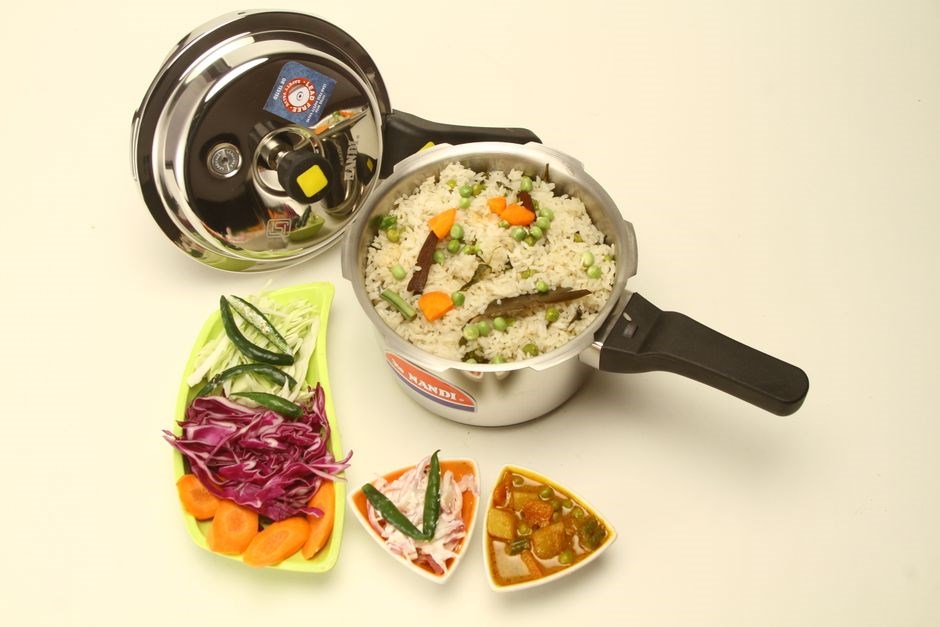
Get the ultimate guide to cooking with the 4qt pressure cooker. Step-by-step tips, safety hacks, and mouth-watering recipes—all in one handy manual.