old macdonald had a farm lyrics english pdf
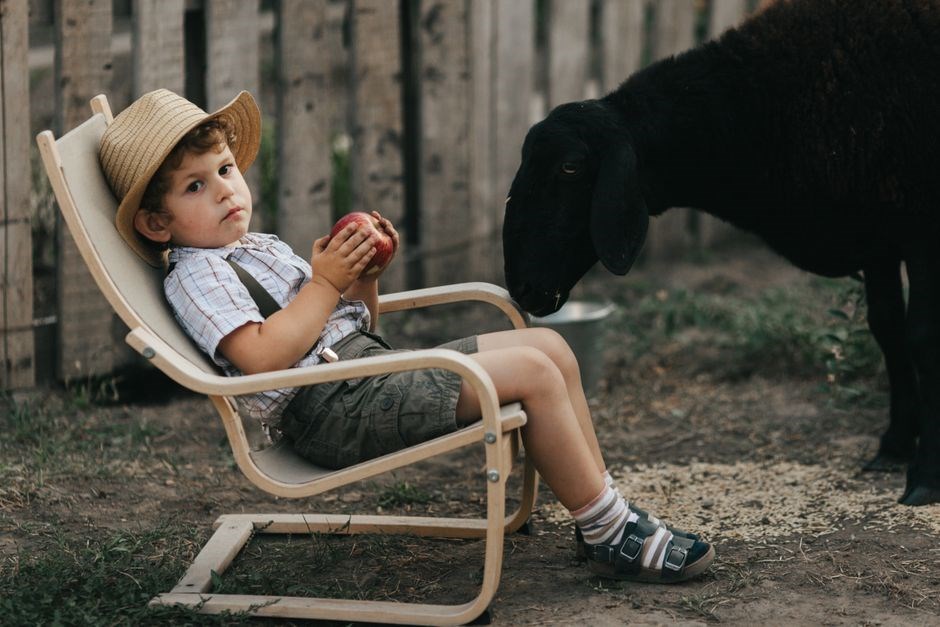
Discover the charming tale of a farmer and his lively animals, each chorus echoing playful sounds. This classic nursery rhyme invites listeners to sing along, learning rhythm, rhyme, and the joy of farm life. Join the chorus and feel countryside
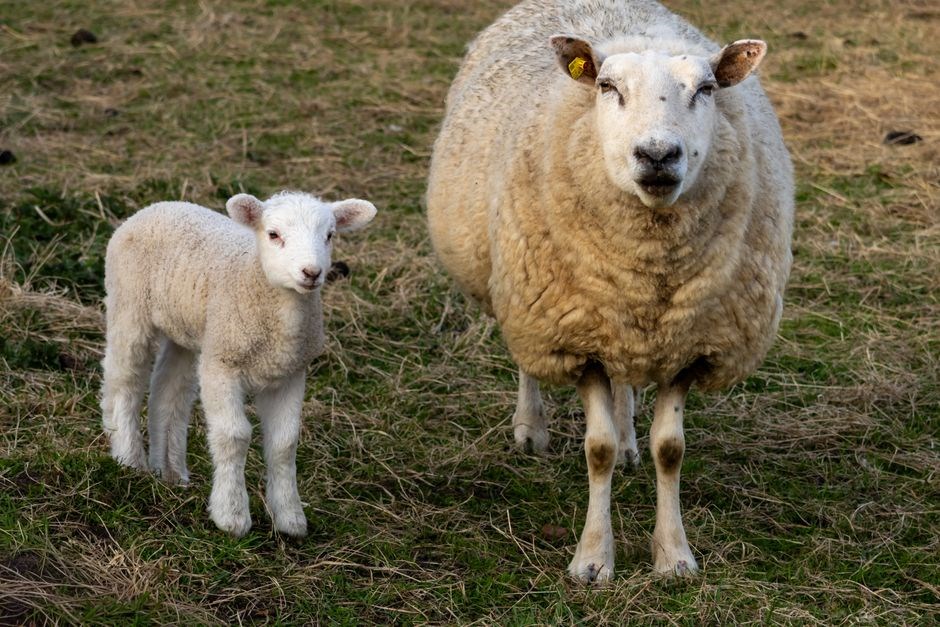
Historical Origins of the Song
Tracing back to 19th‑century folk tunes, the song evolved from simple verses about a farmer’s life. Its melody spread through oral tradition, gaining popularity in America and Britain before becoming a staple in children’s music. for all ages!
Early Versions and Folk Roots
Before its modern incarnation, the song existed in many regional folk traditions across the British Isles and North America in both rural and urban settings, in modern media. Early printed versions from the late 1800s appear in collections like “The Songs of the Old Farm” (London, 1893) and “American Folk Songs” (Boston, 1901). These editions feature simple verses that mirror pastoral life, with each stanza introducing a new animal and its characteristic sound for children an. The melody is a pentatonic tune, easily adaptable to instruments, which spread among traveling minstrels and schoolteachers. Oral transmission played a key role: children learned the song in fields, repeating “moo,” “baa,” and “oink” sounds as part of daily chores. Scholars note the song’s structure aligns with the “call and response” pattern in folk music, where the narrator’s line answers the animal’s cry. This dynamic entertains and serves as a phonetic education, helping children associate sounds with words. The song’s endurance stems from its simplicity, rhythmic appeal, and the universal charm of farm life, allowing it to be passed down through generations in both written and spoken forms and it continues to inspire.
Evolution Through the 20th Century
Throughout the 20th century, the song evolved from a simple nursery rhyme into a cultural icon. In the 1920s it appeared on radio, where children’s programs featured the tune as a sing‑along. The 1930s saw the first commercial recordings, with singers adding harmonized backing vocals that broadened its appeal. During the post‑war boom, the song was adapted into educational curricula, teaching phonics and rhythm. The 1950s introduced animated adaptations, bringing farm animals to life on television. By the 1960s the melody entered children’s music albums, and lyrics were sometimes updated with contemporary slang. The 1970s and 1980s brought novelty recordings, re‑imagining the song in styles like rock, disco, and reggae. In the 1990s digital media allowed interactive CD-ROMs and early online versions, making the song accessible worldwide. The early 2000s saw a resurgence in vinyl releases, and the song became a staple in children’s music festivals. Its refrain encourages participation, making it a favorite in preschool classrooms worldwide. Collectors cherish sheet music. Today the song remains timeless, adapted for new generations through streaming, karaoke apps, and educational software, ensuring its legacy endures in modern digital culture.
Lyrics Overview in English
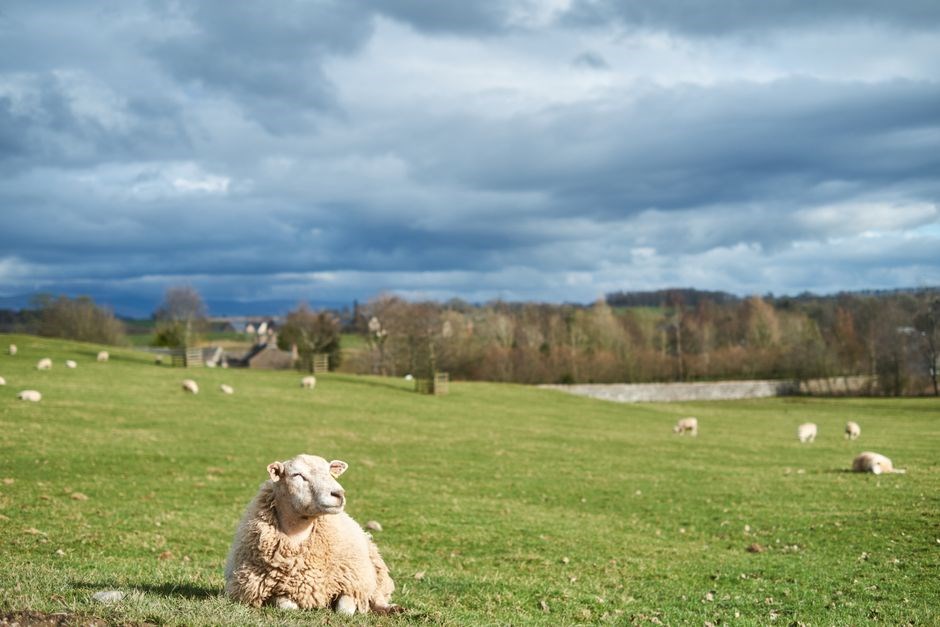
Each verse introduces an animal, followed by its sound, forming a repetitive, engaging pattern. The simple rhyme scheme invites sing‑along participation, making it ideal for early language learning musical play!!!

Structure of the Song
Old MacDonald’s classic nursery rhyme is built on a simple, highly repetitive framework that makes it instantly memorable. The song begins with a brief, inviting opening line that sets the scene: “Old MacDonald had a farm, E‑I‑E‑I‑O.” This establishes the setting and the familiar musical cadence. From there, each subsequent stanza follows a predictable pattern: a new animal is introduced, the farmer’s name is repeated, and the animal’s characteristic sound is inserted in a playful, onomatopoeic form. The structure is essentially a series of “verse‑chorus” cycles, where the chorus—“And on that farm, he had a cow, moo!”—acts as a refrain that anchors the song and provides rhythmic consistency. The rhyme scheme is straightforward, typically AABB, with the animal’s name and sound forming the second half of each couplet. The meter is a simple 8‑beat pattern that allows children to anticipate the next line and participate in the sing‑along. The song’s modular design means that new verses can be added or omitted without disrupting the overall flow, which is why it remains a staple in early childhood education. The repetitive nature also reinforces phonemic awareness, as the repeated “E‑I‑E‑I‑O” and animal sounds become cues that help develop skills.
Common Animal Sounds
In the classic “Old MacDonald” song, the animal sounds are the heart of the playful chorus. Each verse introduces a new creature, followed by its distinctive noise, which children repeat enthusiastically. The most frequent sounds are “moo” for cows, “baa” for sheep, “oink” for pigs, “quack” for ducks, and “cluck” for chickens. These onomatopoeic words are chosen for their simplicity and recognizability, making them easy for young listeners to mimic. The repetition of the sound within the stanza reinforces phonological awareness and helps develop listening skills. Some versions add “neigh” for horses, “hiss” for snakes, “buzz” for bees, and “caw” for crows, allowing educators to tailor the lesson to the animals most familiar to their students. The song’s structure encourages active participation; children often shout the animal’s sound in unison, which boosts confidence and rhythm. Additionally, the predictable pattern of “Old MacDonald had a farm, E‑I‑E‑I‑O” followed by the animal’s name and sound creates a musical scaffold that supports memory and recall. By varying the animal list, teachers can introduce new vocabulary while maintaining the core rhythmic framework that keeps the song engaging and educational. Teachers can also use the song to introduce counting, as each animal can be paired with a number, enhancing numeracy skills and making the lesson interactive.
Finding Official PDF Versions
Official PDFs are available from licensed publishers or trusted distributors; Check their websites or national libraries for digitized collections. Verify publisher credentials before downloading to ensure authenticity and compliance for kids
Authorized Publishers and Rights Holders
When searching for a PDF of the “Old MacDonald Had a Farm” lyrics, identify the correct rights holders and authorized distributors. The song remains under copyright in many places, and its publishing rights are managed by a group of music publishers. The most reliable source for a PDF is the publisher’s own website or licensing platform that has secured the necessary permissions. For example, a well‑known music publishing house that specializes in children’s songs often offers downloadable or purchasable PDF versions that include proper attribution, copyright notices, and usage guidelines. Always verify that the PDF includes a clear statement of ownership, such as a copyright symbol, the year of publication, and the name of the rights holder. If the document is provided by a third‑party aggregator, ensure that the aggregator has a licensing agreement in place; otherwise, the download may violate copyright law. If you are uncertain about the legitimacy of a PDF, contact the publisher directly or consult a copyright lawyer to confirm that the document is authorized for your intended use. By following these steps, you can confidently obtain a PDF that respects the creators’ rights while providing valuable resource for teaching and enjoyment.
Online Repositories and Libraries
Numerous digital libraries host the “Old MacDonald Had a Farm” lyrics in PDF format, often as part of children’s song collections. Library of Congress Digital Collections, British Library’s digital archive, and National Library of Australia provide scanned copies of sheet music and lyric sheets that are in domain. For more editions, American Library Association’s “Kids’ Music” database and WorldCat catalog can locate licensed PDFs held by university libraries. Many educational institutions offer access through library portals, allowing students to download or view the PDF in environment. Additionally, the Internet Archive hosts user‑uploaded versions, but users should verify the license status before downloading. HathiTrust Digital Library aggregates scanned volumes from partner institutions, often including full‑text PDFs of songbooks that contain “Old MacDonald.” When using these repositories, it is essential to check the copyright status and the terms of use, as some PDFs may be restricted to on‑site viewing or require a library card for download. Libraries typically provide citation information andusage guidelines to help educators and researchers reference the material correctly

Legal Considerations for Downloading PDFs
Before downloading, check copyright status. If the song is public domain, free use is allowed. For copyrighted versions, obtain permission or use licensed repositories. Educators may rely on fair use for classroom activities, but always cite sources. Copyright
Copyright Status of the Song
The original “Old McDonald Had a Farm” dates back to the late 19th century, with earliest printed versions appearing in the 1870s. Because the song was first published before 1923, it is generally considered public domain in the United States and many other jurisdictions. However, modern arrangements, recordings, or lyric adaptations may still be protected by copyright if they contain new musical or textual elements. For instance, a 1970s studio recording that adds a distinct melody or a contemporary lyric rewrite can be subject to a new copyright term. When searching for an English PDF of the lyrics, it is essential to verify whether the source is using the original public‑domain text or a derivative version that requires permission. Publishers that have re‑arranged the tune or added new verses often hold exclusive rights, and downloading their PDFs without authorization could infringe those rights. In contrast, many libraries and educational platforms host the original text under a public‑domain license, allowing free distribution. If a PDF is linked from a reputable source that explicitly states “public domain” or “copyright‑free,” it is safe to download and use. Always check the accompanying metadata or licensing statement; a simple “© 2023 XYZ Publishing” indicates that the document is not in the public domain and may require a license. For educators, the fair‑use doctrine may permit limited use of copyrighted lyrics in a classroom setting, but downloading and sharing the PDF for commercial purposes remains risky. When in doubt, consult the publisher’s terms or seek a licensed copy from a recognized distributor. This careful approach ensures compliance with intellectual‑property laws while still providing students with a valuable learning resource. Teachers may compare regional versions, noting how verses transform into richer stories across cultures worldwide!!
In the United States, the doctrine of fair use allows limited copying of copyrighted material for purposes such as criticism, comment and news reporting, teaching, and research. When a teacher or student uses a short excerpt of the “Old Mac Donald” lyrics in a classroom setting— rhyme schemes, meter, phonetic patterns the use is typically considered transformative. The key factors courts examine are the purpose character of the use, the nature of the copyrighted work, the amount taken, the effect on the market. Because the song is in the public domain in many jurisdictions, the risk of infringement is minimal; however, if a particular publisher holds a modern arrangement or a new recording, the excerpt must be short, non‑central, and not replace the original. Educational exemptions under the Copyright Act allow teachers to reproduce up to 10 % of a work, provided the material is used for instructional purposes and the teacher does not distribute the full text. When compiling a PDF for classroom use, it is advisable to include only the verses needed for the lesson, cite the source, and avoid commercial distribution. By adhering to these guidelines, educators can safely incorporate the classic tune into lesson plans while respecting copyright law. This practice aligns with the educational mission of fostering literacy, musical appreciation, and critical thinking, ensuring that students engage with classic cultural artifacts responsibly while honoring the rights of contemporary creators worldwide. daily.!
Using the PDF in Educational Settings
Students can print the PDF, annotate verses, and create matching games. Teachers can assign group projects to craft new animal sounds, fostering teamwork and creativity. The PDF also supports bilingual lessons, enhancing phonics and vocabskills
Classroom Activities
Use the PDF as a springboard for engaging lessons. Begin with a read‑through, highlighting each animal and its sound. Students can then create a “sound board” by drawing or cutting out pictures of the animals and attaching the corresponding sound labels. Next, organize a “farm‑yard parade” where each child or group performs a verse, using props or simple instruments to mimic the sounds. For a writing exercise, have students compose a new verse featuring an animal not in the original song, encouraging creative thinking and vocabulary expansion. Incorporate a music lesson by exploring the song’s meter and rhyme scheme; students can experiment with altering the rhythm or adding a chorus. Finally, assess understanding through a matching quiz that pairs animal names with their sounds, or a collaborative project where groups design a poster or digital slideshow that showcases the farm and its inhabitants. These activities promote literacy, listening skills, and collaborative learning. Teachers can also scan the PDF into classroom software, allowing students to annotate directly on the digital sheet, track progress, and share their annotated verses with classmates for peer review, fostering a collaborative digital learning environment
Using the PDF, can rewrite verses to include new animals, language and rhyme. They may compose a narrative a day on the farm, then set it to music. Music teachers can analyze the song’s 4/4 rhythm, teaching placement and. Students can experiment with different instruments, creating a layered arrangement that mirrors the song’s repetitive structure. For a writing assignment, ask learners to write a poem that mimics the song’s format but focuses on a different theme, such as a city or space. They can then perform the poem with musical accompaniment, blending literacy and performance. Additionally, create a storyboard, mapping each verse to a visual scene, then present it as a multimedia project. This integrated approach enhances creativity, reinforces phonics, and develops confidence in both written and musical expression. Teachers can also encourage to record their own versions, using simple recording apps, and then analyze the audio for pitch, tempo, and clarity. By comparing recordings, learn constructive feedback and improve their musical and linguistic skills. This process fosters collaboration, thinking, confidence in public speaking in class! now today.!!!! Enjoy the musical adventure! Sing along have fun! Go!!!!!!!!.
Alternatives to PDFs: Audio and Interactive Media
While printed PDFs offer a static view, audio and interactive media bring the Old MacDonald story to life. Streaming platforms host countless recordings, from classic sing‑alongs to modern covers, letting learners hear pronunciation and rhythm; Interactive apps let children tap animals to hear sounds, reinforcing phonics. Educational sites provide downloadable MP3s with lyric sheets for teachers to play while students follow along. Animated videos show the farmer’s plot evolving with verses. Karaoke‑style tools let advanced learners record performances, compare tempo, and get instant pitch feedback. These formats support diverse learning styles, making the song accessible to all students. Embracing audio and interactive media transforms the nursery rhyme into an engaging, multimodal learning experience that encourages creativity, collaboration, and confidence. Many platforms offer interactive quizzes testing animal sounds and rhyme schemes, turning passive listening into active participation. Teachers embed quizzes into lesson plans, tracking progress. Remote learning uses video conferencing for live sing‑along sessions. Teachers can customize difficulty, ensuring beginners and advanced students stay challenged and engaged. Students can remix the song by adding new verses, creating a collaborative project that blends creativity with musical structure! Enjoy!
and Further Resources
In closing, the Old MacDonald song remains a timeless bridge between language, music, and imagination. Its simple verses invite learners to explore phonetics, rhyme, and rhythm while fostering a love for storytelling. For those seeking printable lyric sheets, reputable sites such as Public Domain Resources and Early Learning Libraries offer free, downloadable PDFs that respect copyright norms. Digital archives like the Library of Congress host scanned copies of historic editions, providing a glimpse into the song’s evolution. Music educators can supplement PDFs with interactive tools—apps that animate animal characters, or audio platforms that layer original recordings with student voices. For deeper research, academic journals on folk music traditions and curriculum design offer scholarly insight into the song’s pedagogical value. Finally, community forums and teacher networks share lesson plans, creative extensions, and student projects, ensuring that the legacy of Old MacDonald continues to inspire new generations. Happy singing! Enjoy learning!and you
FAQs about Old MacDonald Lyrics PDF
Q1: Where can I find a free PDF of the Old MacDonald lyrics?
A1: Public domain sites and educational repositories host printable versions. Always verify the source to ensure the file is legitimate.
Q2: Is the song still under copyright?
A2: The original melody and lyrics entered the public domain long ago, but modern arrangements may be protected. Use versions labeled “public domain.”
Q3: Can I use the PDF in a classroom?
A3: Yes, provided you use a public‑domain copy. For copyrighted arrangements, obtain a license or use the educational exemption.
Q4: How do I convert the PDF into an interactive lesson?
A4: Import the PDF into learning platforms, add audio tracks, and embed quizzes. Many LMS tools support PDF annotation.
Q5: Are there alternative formats?
A5: Audio, video, and web‑based interactive versions exist. They can complement the PDF for multisensory learning.
For more detailed guidance, consult the copyright office or a legal advisor. Happy teaching!
Discover the charming tale of a farmer and his lively animals, each chorus echoing playful sounds. This classic nursery rhyme invites listeners to sing along, learning rhythm, rhyme, and the joy of farm life. Join the chorus and feel countryside Historical Origins of the Song Tracing back to 19th‑century folk tunes, the song evolved from…